
In most cases, back pain can be resolved without surgery. The conservative treatment involves the use of pain medications, physical therapy or targeted spine injections to reduce inflammation and restore normal function. Self-care methods and medications can help to overcome back pain, but if pain and inflammation persist over 72 hours, it is necessary to consult your physician.
Spine Injections
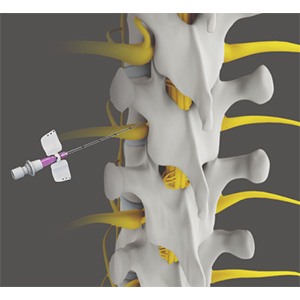
A spine or spinal injection is a minimally invasive procedure in which a medication is administered, using a needle and syringe, into the spine under real-time X-ray guidance - called fluoroscopy - to diagnose and treat numerous spine conditions. The spine is made up of several small bony segments called vertebrae. These vertebrae are categorized into cervical or neck vertebrae, thoracic (upper back), and lumbar (lower back).
Spinal Manipulation

Spinal manipulation is a non-surgical "hands-on" technique in which professional chiropractic specialists use leverage and exercises to adjust spinal structures and restore mobility of the back. During pain, the nerve that is interconnected with the muscles, joints, bone becomes weak and loses its ability to function.
Spine Rehabilitation
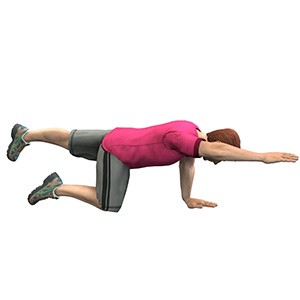
Dysfunction of the spine can be severely debilitating to one’s ability to perform activities at both home and work. Pain in the lumbar spine (lower back) is the number one reason for missed days of work, followed by the pain of the cervical spine (neck). Your rehabilitation team consists of physical therapists, orthopedic doctors, massage therapists and athletic trainers (in case of rehabilitation for sports injuries).